- Pelaburan Kami
- Mengenai Kami
- Kelestarian
- Tadbir Urus Korporat
- Media
- Kumpulan PNB
- Hubungi Kami

Pencetus Kemajuan Negara
Membina Negara Makmur
Maju dengan Komitmen Kelestarian Kami
Kekal Teguh dengan Tadbir Urus
Berita & Laporan
Hubungan dan Perkongsian
Commitment :
Net Zero 2050
Delivering on our social sustainability goals
Transparency, governance and active ownership
Cultivate sustainability in talent and culture
Commitment 1:
Net Zero 2050
Under Advancing Organisational Sustainability, we are committed to achieving Net Zero emissions across our operational boundary by 2050, covering emissions from our offices, buildings and day-to-day operations. This reflects our responsibility to manage and reduce the environmental impact of our own activities, while supporting our broader sustainability ambitions.
Our approach is guided by the principles of Reduce and Offset (R20). We prioritise reducing emissions through energy efficiency improvements, operational optimisation and the increased use of renewable energy. Residual emissions that are currently hard to abate will be addressed through the use of credible carbon credits, once final emissions data has been verified through our assurance process.
Our R2O Strategy
Reduce
Prioritise emissions reduction initiatives
- Mapping of emissions and baselining
- Define high impact carbon reduction initiatives
- Incorporate ESG values in daily operations
- Engage and educate radically via strategic ESG communications
Replace
Efficiency improvement leading to reduced GHG emissions
- High impact equipment replacement initiatives
- Targeted emissions reduction activities
- Assessment on availability of technology in the market
- Change management and engagement
Offset
Purchase carbon offsets of remaining hard-to-abate GHG emissions
- Alignment with credible standards in offsetting
- Prioritise nation building initiatives
- Verifiable and credible projects
Our Targets:
In 2025, our NZE 2025 (Scope 1 and 2) achievement reflects our proactive efforts to embed climate-focused strategies within our operations, anchored by our R2O approach. Beyond 2025, we aim to maintain our NZE status for Scope 1 and 2 emissions in support of our longer-term Net Zero 2050 ambition across all scopes.
- i. 20% emissions reduction in business travel and employee commuting by 2030.
-
ii.
50% emissions reduction by 2040 through:
- Sustainable Procurement by 2040
- Greening Business Travel and Employee Commuting by 2040
- Zero Waste by 2040
We recognise that addressing Scope 3 emissions is essential to our Net Zero journey, particularly across business travel, employee commuting, sustainable procurement and zero waste. We are progressively strengthening our efforts across these areas to reduce indirect emissions within our value chain, in support of our Net Zero 2050 ambition.
We recognise the value of carbon offsetting in helping us address hard-to-abate emissions within our operations. We are exploring opportunities to invest in credible carbon projects as part of our broader decarbonisation strategy. These efforts complement our emissions reduction initiatives as we progress towards our Net Zero ambition.
Commitment 2:
Delivering on our social sustainability goals
At PNB, we recognise that creating long-term value goes hand in hand with supporting and empowering people. We are committed to fostering an inclusive environment within our organisation while ensuring that our services remain accessible and responsive to the diverse needs of our customers.
Our Targets:
Minimum 40% Women In
Leadership Roles
PNB is committed to maintaining a minimum of 40% women in leadership roles. Having surpassed this target in 2025, we continue to strengthen our talent pipeline and leadership development efforts to sustain this momentum and support a more inclusive organisation.
Inclusive and Accessible Organization for Persons with Disabilities (PWD)
PNB is committed to fostering an inclusive and accessible environment for persons with disabilities, both within our organisation and across our services. We continue to enhance our practices to ensure accessibility, supporting greater participation, dignity and independence for all individuals.
Commitment 3:
Transparency, governance and active ownership
PNB continues to strengthen its approach to transparency and governance in line with evolving global standards and local regulatory expectations, including frameworks such as the NSRF and IFRS Sustainability Disclosure Standards. We are progressively enhancing our disclosures, governance frameworks and oversight practices to support greater clarity, consistency and accountability.
For more information on our sustainability governance, please refer to PNB’s Integrated Annual Report 2025
Commitment 4:
Cultivate sustainability in talent and culture
While policies and technologies play an important role, it is culture that ultimately shapes how people think, behave and make decisions. Culture influences our daily habits, our relationship with the environment and our sense of responsibility towards future generations.
By embedding sustainability into the cultural fabric of our workplace and communities, we move beyond short-term initiatives and drive a lasting shift in mindset, supporting more responsible and sustainable behaviours over time.
Commitment :
Net Zero 2050
Delivering on our social sustainability goals
Transparency, governance and active ownership
Cultivate sustainability in talent and culture
Commitment 1:
Net Zero 2050
Under Advancing Organisational Sustainability, we are committed to achieving Net Zero emissions across our operational boundary by 2050, covering emissions from our offices, buildings and day-to-day operations. This reflects our responsibility to manage and reduce the environmental impact of our own activities, while supporting our broader sustainability ambitions.
Our approach is guided by the principles of Reduce and Offset (R20). We prioritise reducing emissions through energy efficiency improvements, operational optimisation and the increased use of renewable energy. Residual emissions that are currently hard to abate will be addressed through the use of credible carbon credits, once final emissions data has been verified through our assurance process.
Our R2O Strategy
Reduce
Prioritise emissions reduction initiatives
- Mapping of emissions and baselining
- Define high impact carbon reduction initiatives
- Incorporate ESG values in daily operations
- Engage and educate radically via strategic ESG communications
Replace
Efficiency improvement leading to reduced GHG emissions
- High impact equipment replacement initiatives
- Targeted emissions reduction activities
- Assessment on availability of technology in the market
- Change management and engagement
Offset
Purchase carbon offsets of remaining hard-to-abate GHG emissions
- Alignment with credible standards in offsetting
- Prioritise nation building initiatives
- Verifiable and credible projects
Our Targets:
In 2025, our NZE 2025 (Scope 1 and 2) achievement reflects our proactive efforts to embed climate-focused strategies within our operations, anchored by our R2O approach. Beyond 2025, we aim to maintain our NZE status for Scope 1 and 2 emissions in support of our longer-term Net Zero 2050 ambition across all scopes.
- i. 20% emissions reduction in business travel and employee commuting by 2030.
-
ii.
50% emissions reduction by 2040 through:
- Sustainable Procurement by 2040
- Greening Business Travel and Employee Commuting by 2040
- Zero Waste by 2040
We recognise that addressing Scope 3 emissions is essential to our Net Zero journey, particularly across business travel, employee commuting, sustainable procurement and zero waste. We are progressively strengthening our efforts across these areas to reduce indirect emissions within our value chain, in support of our Net Zero 2050 ambition.
We recognise the value of carbon offsetting in helping us address hard-to-abate emissions within our operations. We are exploring opportunities to invest in credible carbon projects as part of our broader decarbonisation strategy. These efforts complement our emissions reduction initiatives as we progress towards our Net Zero ambition.
Commitment 2:
Delivering on our social sustainability goals
At PNB, we recognise that creating long-term value goes hand in hand with supporting and empowering people. We are committed to fostering an inclusive environment within our organisation while ensuring that our services remain accessible and responsive to the diverse needs of our customers.
Our Targets:
Minimum 40% Women In
Leadership Roles
PNB is committed to maintaining a minimum of 40% women in leadership roles. Having surpassed this target in 2025, we continue to strengthen our talent pipeline and leadership development efforts to sustain this momentum and support a more inclusive organisation.
Inclusive and Accessible Organization for Persons with Disabilities (PWD)
PNB is committed to fostering an inclusive and accessible environment for persons with disabilities, both within our organisation and across our services. We continue to enhance our practices to ensure accessibility, supporting greater participation, dignity and independence for all individuals.
Commitment 3:
Transparency, governance and active ownership
PNB continues to strengthen its approach to transparency and governance in line with evolving global standards and local regulatory expectations, including frameworks such as the NSRF and IFRS Sustainability Disclosure Standards. We are progressively enhancing our disclosures, governance frameworks and oversight practices to support greater clarity, consistency and accountability.
For more information on our sustainability governance, please refer to PNB’s Integrated Annual Report 2025
Commitment 4:
Cultivate sustainability in talent and culture
While policies and technologies play an important role, it is culture that ultimately shapes how people think, behave and make decisions. Culture influences our daily habits, our relationship with the environment and our sense of responsibility towards future generations.
By embedding sustainability into the cultural fabric of our workplace and communities, we move beyond short-term initiatives and drive a lasting shift in mindset, supporting more responsible and sustainable behaviours over time.
Mencipta masa depan yang mampan dan inklusif
PNB mengiktiraf bahawa masa hadapan dibentuk hasil tindakan yang dibuat pada hari ini dan komited sepenuhnya untuk mencipta masa hadapan mampan dan inklusif yang memberi faedah bukan hanya kepada pihak berkepentingan tetapi juga kepada komuniti yang disantuni.
Pada April 2022, kami telah melancarkan Rangka Kerja Kelestarian dengan 10 komitment ESG. Kami telah mengambil langkah nyata untuk mengukur dan menentukan garis dasar pelepasan gas hijau (GHG) di seluruh organisasi, membangunkan laluan Sifar Bersih yang komprehensif bagi operasi perusahaan dan portfolio pelaburan kami, sambil menyepadukan ESG dalam membuat keputusan.
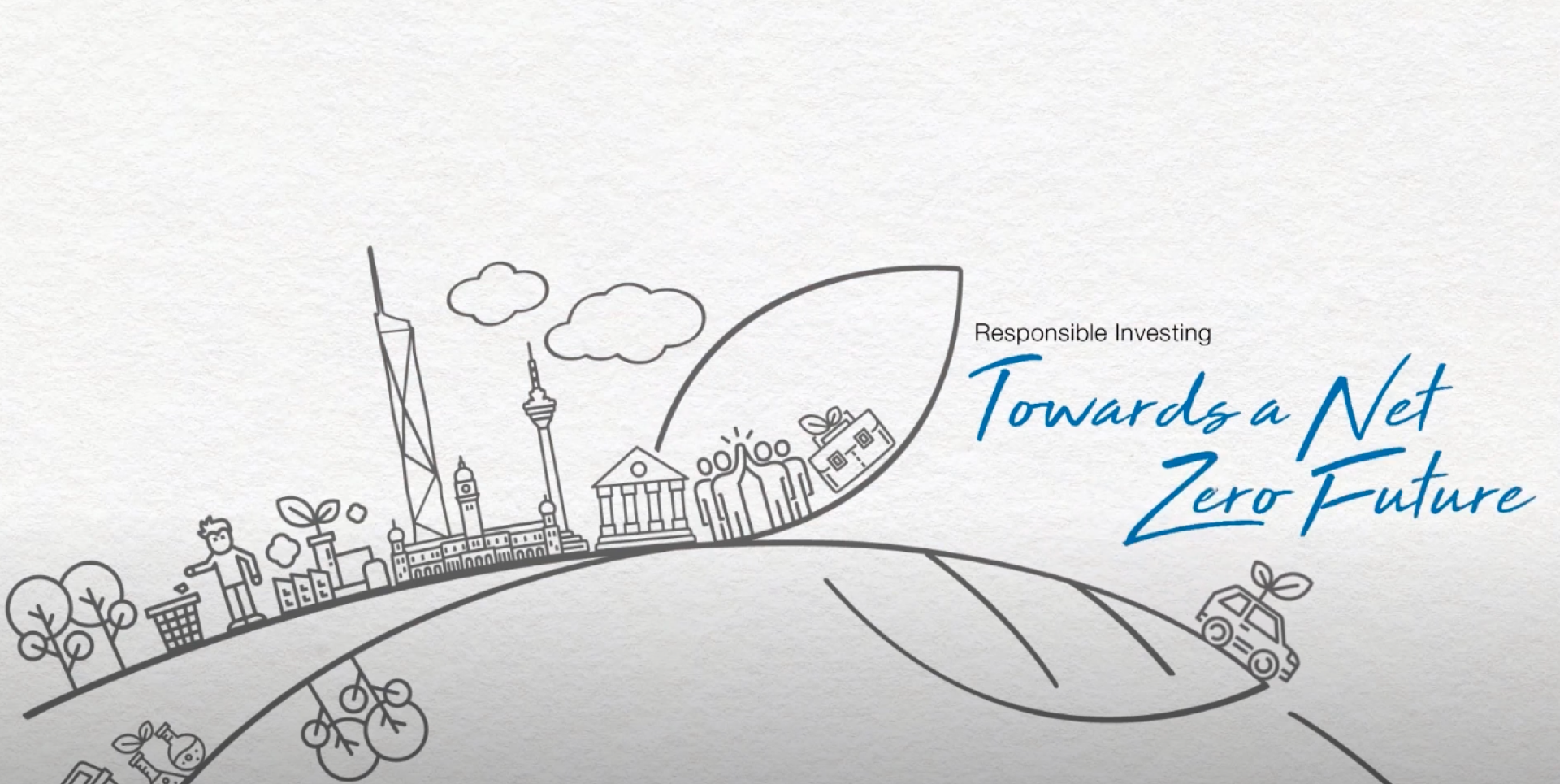
Ke Arah Masa Depan Sifar Bersih
Falsafah Dasar

ESG memacu nilai jangka panjang

Kepimpinan yang bertanggungjawab

Tindakan kolektif dan perkongsian

Kota apa yang dikata

Kemajuan bukannya kesempurnaan
ESG memacu nilai jangka panjang
Kepimpinan yang bertanggungjawab
Tindakan kolektif dan perkongsian
Kota apa yang dikata
Kemajuan bukannya kesempurnaan
PNB Sustainability Framework 2.0
Memberships and Association
Sustainability Disclosure

Investing Responsibly,
Empowering Generations
Anchors
Advancing Organisational Sustainability
›
Responsible Stewardship
›
Strengthen Nation Building Agenda
›
Advancing Organisational Sustainability (OS)
1
Net Zero Emissions 2050
Net Zero Enterprise
OS 1.
Maintain Net Zero Enterprise Scope 1 & 2 starting 2025.
OS 2.
Net Zero Scope 3 (Cat. 1-14) by 2050
i. 20% emissions reduction in business travel and employee commuting by 2030.
ii. 50% emissions reduction by 2040 through:
- Sustainable Procurement by 2040
- Greening Business Travel and Employee Commuting by 2040
- Zero Waste by 2040
OS 3.
Investment in Carbon Projects.
2
Delivering on our social sustainability goals
OS 4.
Minimum 40% Women in Leadership Roles.
OS 5.
Inclusive and Accessible Organization for Persons with Disabilities (PWD)
3
Transparency, governance and active ownership
Enhancing value through clarity, principled action, and purposeful involvement
4
Cultivate sustainability in talent and culture
Increasing internal ESG adoption
Responsible Stewardship (RS)
1
Net Zero Emissions 2050
Net Zero Portfolio
RS 1.
Ensure 70% of portfolio emissions are covered by credible net zero targets by 2030.
RS 2.
RM15 billion into green & transition assets by 2030.
RS 3.
Reduce portfolio emissions intensity by 35% by 2030 against FY2022 baseline.
RS 4.
Phase out direct investments in coal in developed markets by 2030 and developing markets by 2040.
RS 5.
100% of priority direct infrastructure assets to have climate adaptation strategies by 2030.
RS 6.
100% of priority companies highly exposed to nature to comply with PNB’s Nature and Biodiversity Policy by 2030
2
Delivering on our social sustainability goals
RS 7.
100% of priority companies aligned with PNB’s People Policy and Living Wage by 2030
3
Transparency, governance and active ownership
Enhancing value through clarity, principled action, and purposeful involvement
Strengthen Nation Building Agenda (NB)
5
Purpose-driven social investments
NB 1.
Contribute RM500 million to impactful social investment activities from 2026 to 2030 guided by the Social Investments Framework (SIF).
NB 2.
Achieve 60,000 volunteering hours towards creating meaningful impact for communities by 2030.
6
Inclusive financial empowerment for all Malaysians
NB 3.
Explore SRI alignment for existing and future funds.
NB 4.
Elevating financial literacy for all Malaysians.
Investing Responsibly,
Empowering Generations
Anchors
Advancing Organisational Sustainability
1
Net Zero Emissions 2050
Net Zero Enterprise
OS 1.
Maintain Net Zero Enterprise Scope 1 & 2 starting 2025.
OS 2.
Net Zero Scope 3 (Cat. 1-14) by 2050
i. 20% emissions reduction in business travel and employee commuting by 2030.
ii. 50% emissions reduction by 2040 through:
- Sustainable Procurement by 2040
- Greening Business Travel and Employee Commuting by 2040
- Zero Waste by 2040
OS 3.
Investment in Carbon Projects.
2
Delivering on our social sustainability goals
OS 4.
Minimum 40% Women in Leadership Roles.
OS 5.
Inclusive and Accessible Organization for Persons with Disabilities (PWD)
3
Transparency, governance and active ownership
Enhancing value through clarity, principled action, and purposeful involvement
4
Cultivate sustainability in talent and culture
Increasing internal ESG adoption
Responsible Stewardship
1
Net Zero Emissions 2050
Net Zero Portfolio
RS 1.
Ensure 70% of portfolio emissions are covered by credible net zero targets by 2030.
RS 2.
RM15 billion into green & transition assets by 2030.
RS 3.
Reduce portfolio emissions intensity by 35% by 2030 against FY2022 baseline.
RS 4.
Phase out direct investments in coal in developed markets by 2030 and developing markets by 2040.
RS 5.
100% of priority direct infrastructure assets to have climate adaptation strategies by 2030.
RS 6.
100% of priority companies highly exposed to nature to comply with PNB’s Nature and Biodiversity Policy by 2030
2
Delivering on our social sustainability goals
RS 7.
100% of priority companies aligned with PNB’s People Policy and Living Wage by 2030
3
Transparency, governance and active ownership
Enhancing value through clarity, principled action, and purposeful involvement
Strengthen Nation
Building Agenda
Building Agenda
5
Purpose-driven social investments
NB 1.
Contribute RM500 million to impactful social investment activities from 2026 to 2030 guided by the Social Investments Framework (SIF).
NB 2.
Achieve 60,000 volunteering hours towards creating meaningful impact for communities by 2030.
6
Inclusive financial empowerment for all Malaysians
NB 3.
Explore SRI alignment for existing and future funds.
NB 4.
Elevating financial literacy for all Malaysians.
Our Sustainability Policies and Guideline
PNB’s Sustainability Policy, endorsed by the Board of Directors, establishes a comprehensive framework for integrating ESG considerations across the organisation’s operations and investment activities. Guided by its 10 ESG Commitments, the policy outlines governance structures, stewardship principles, and key targets, including achieving NZE by 2025 and NZP by 2050. It reflects PNB’s commitment to responsible leadership and collaborative action, and aligns with global frameworks such as the UN PRI and TCFD. The policy is reviewed periodically to support effective implementation and ongoing improvement.
Introduced in 2023, PNB’s Living Wage Framework aims to ensure employees receive compensation that adequately supports basic living standards. Benchmarking against national living wage standards helps ensure fairness and transparency, while reinforcing PNB’s commitment to promoting social equity and encouraging broader adoption of living wage practices.
The Social Investments Framework (“SIF”) provides a structured approach to delivering sustainable social impact. Anchored on four key pillars – Education, Health, Community Development and Environment – the framework focuses on addressing community needs while supporting Malaysia’s socio-economic development.
PNB’s Voting Guidelines set out the principles that guide the exercise of voting rights in Malaysian investee companies, reflecting PNB’s role as a responsible institutional investor and fiduciary to its unitholders. The guidelines are designed to promote strong corporate governance, effective and accountable boards, protection of shareholder rights and long‑term sustainable value creation for unitholders.
PNB’s Nature and Biodiversity Policy reflects the organisation’s commitment to protecting natural ecosystems and integrating sustainable environmental practices across its operations and investments. The policy focuses on addressing nature-related risks, including deforestation and pollution, while promoting biodiversity conservation to strengthen long-term environmental resilience.
PNB’s Labour Rights Policy sets out the organisation’s expectations for fair labour practices, including equitable wages, safe working environments, and inclusive workplaces. Aligned with international standards, the policy provides guidance to investee companies on adopting responsible labour practices that contribute to sustainable value creation and reinforce PNB’s commitment to social responsibility.
PNB introduced the Employee Volunteerism Framework in 2025 to support the implementation of its SIF by encouraging employees to contribute their time and skills to community initiatives aligned with its four pillars. The framework establishes clear participation guidelines, provides pathways for employee-led initiatives, and includes mechanisms to track volunteer hours and participation. Through this initiative, PNB aims to cultivate a stronger culture of volunteerism while working towards an initial target of 10,000 volunteer hours in 2025, enhancing employee engagement and amplifying the organisation’s overall social impact.
PNB is a signatory and active participant in leading global sustainability initiatives, reinforcing our commitment to responsible investment, climate action and long-term value creation. Through these partnerships, we align our practices with internationally recognised principles and contribute to the advancement of sustainable finance.

The UN Global Compact is a global initiative that encourages companies to align their operations and strategies with ten universal principles covering human rights, labour, environment and anti-corruption. As a participant, we are committed to embedding these principles into our business practices and supporting broader sustainable development goals.

The PRI is a global network of investors working to integrate environmental, social and governance (ESG) factors into investment decision-making. As a signatory, we incorporate ESG considerations into our investment processes and ownership practices, in line with internationally recognised responsible investment principles.

PCAF is a global initiative that enables financial institutions to measure and disclose the greenhouse gas emissions associated with their financing and investment activities. Through PCAF, we strengthen our approach to financed emissions measurement, supporting transparency and alignment with climate-related goals.

AIGCC is a not-for-profit investor network that brings together asset owners and asset managers to address the risks and opportunities associated with climate change. It provides a collaborative platform for investors to share best practices, strengthen capabilities and advocate for policies that support the transition to a low-carbon and climate-resilient economy across Asia.

ICGN is a global investor-led organisation that promotes high standards of corporate governance and investor stewardship worldwide. Through policy advocacy, research and collaboration, it aims to enhance accountability, transparency and long-term value creation, contributing to more efficient and sustainable capital markets.

IICM is a Malaysian industry body representing the collective interests of institutional investors to strengthen corporate governance and stewardship practices. It provides a platform for collaboration, knowledge sharing and policy engagement to support the development of a robust and resilient capital market in Malaysia.
Our Approach to Sustainability Disclosure
At PNB, we adopt a structured and progressive approach to sustainability disclosure, guided by leading global frameworks and local regulatory developments. Our disclosures are designed to provide clear, consistent and decision-useful insights into our environmental, social and governance (ESG) performance.
We continuously enhance our reporting practices by strengthening data quality, governance processes and independent assurance, ensuring our disclosures remain credible, transparent and aligned with stakeholder expectations.
Our sustainability disclosures are guided by:

The IR framework sets out principles for communicating how our strategy, governance, performance and outlook contribute to value creation over time. It promotes integrated thinking by linking financial and non-financial information across multiple capitals, enabling a more holistic view of our long-term value.

GRI provides globally recognised standards for reporting our economic, environmental and social impacts. It enables us to disclose our most material sustainability topics transparently and consistently, supporting stakeholder understanding of how our activities affect the wider economy, environment and society.

The IFRS Sustainability Disclosure Standards establish a global baseline for reporting sustainability-related and climate-related information. They focus on disclosing material risks and opportunities that may affect our financial performance and long-term value, providing investors with consistent, comparable and decision-useful information.
Following the launch of Malaysia’s National Sustainability Reporting Framework (NSRF) in 2024, sustainability reporting in Malaysia is aligned with the IFRS Sustainability Disclosure Standards issued by the International Sustainability Standards Board (ISSB).
Our Sustainability Disclosure
Integrated Annual Report
Stewardship Report
Sustainability Data, Methodology and Assurance Statement
Rangka Kerja Pelaburan Sosial
Sebagai sebuah institusi nasional, strategi kami menangani kedua-dua pembangunan negara dengan perkaitan yang tinggi kepada PNB sambil juga menangani keperluan masyarakat dalam operasi kami.
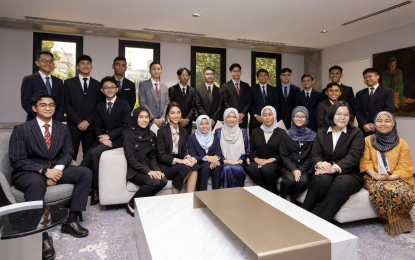
Pendidikan
Membina bakat untuk negara dan membangunkan bakat PNB untuk melaksanakan mandat kami
- Program biasiswa
- BUDI PNB, program Pendidikan dan Latihan Teknikal & Vokasional (TVET) dan PNB GET-MySTEP
- Program literasi kewangan untuk sekolah-sekolah
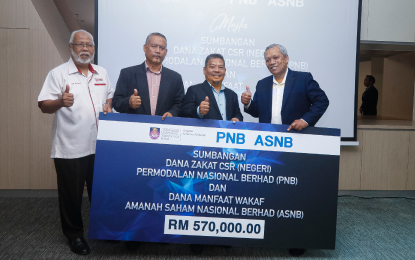
Kesihatan
Menyokong kemudahan kesihatan, pendidikan dan penjagaan kesihatan pencegahan untuk Malaysia yang lebih sihat
- Program Peralatan dan Infrastruktur Hospital
- Program Pendidikan Kesihatan
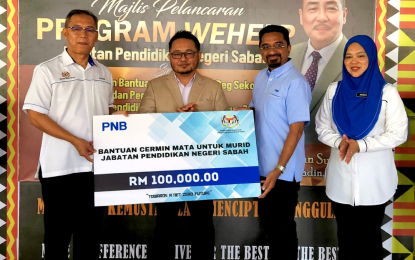
Pembangunan Masyarakat
Mewujudkan peluang untuk mobiliti sosial dan kemerdekaan ekonomi
- Program Keusahawanan
- Program Penempatan Pekerjaan
- Program di sekolah
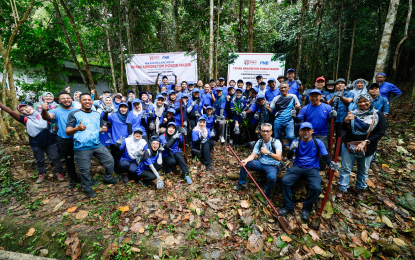
Persekitaran
Pemuliharaan dan perlindungan ekosistem yang rapuh
- Program Penghijauan
- Program Penanaman Pokok
Disokong oleh
Celik Kewangan
Membenamkan modul Celik Kewangan dalam program SIF yang dijalankan dalam komuniti
Kesukarelawanan Dalaman
Menanamkan semangat kesukarelawanan dalam diri Warga PNB dalam menyokong program SIF
- Mengekalkan pangkalan data calon-calon Lembaga Pengarah yang berpotensi berdasarkan kepelbagaian kemahiran, latar belakang, dan jantina.
- Menilai komposisi dan keberkesanan Lembaga Pengarah syarikat Strategik, Terkawal, atau syarikat pelaburan lain.
- Mengesyorkan pelantikan Pengarah Wakil PNB di syarikat pelaburan terpilih.
- Menilai barisan bakat-bakat yang boleh menerajui syarikat Strategik PNB, khususnya jawatan-jawatan yang kritikal.
- Menilai dan membandingkan imbuhan Lembaga Pengarah dan CEO syarikat pelaburan PNB.
Menitikberatkan tadbir urus korporat yang baik, ketelusan dan pelaburan yang bertanggungjawab, selaras dengan amalan industri dan Garis Panduan Pengundian PNB.
Menganalisa, mengesyorkan dan memaparkan keputusan pengundian proksi sempena mesyuarat-mesyuarat agung syarikat pelaburannya, selaras dengan Garis Panduan Pengundian PNB.
Menerajui aktivisme pemegang saham melalui pelabur institusi lain dan syarikat pelaburan terpilih melalui Majlis Pelabur Institusi. Kerjasama dengan pihak berkepentingan utama lain untuk mendorong polisi/aturan, nilai pemegang saham, dan libat sama yang lebih baik dalam bidang tadbir urus korporat.
- Memandu Penetapan Sasaran Portfolio Sifar Bersih, strategi dan pengukuran pelepasan yang dibiayai.
- Melaksanakan komitmen-komitmen berkaitan iklim dan menyelaraskan dengan pasukan pelaburan untuk membina keupayaan asas iklim.
- Mengenal pasti dan mengesyorkan peralatan berkaitan iklim untuk proses membuat pelaburan dan pengumpulan data bagi pelaburan baharu.
- Menyelaras dan menyokong pasukan pelaburan untuk meningkatkan penempatan ke dalam Aset-aset Baharu dan Peralihan menjelang 2030.
- Mengenal pasti strategi untuk mengurus pendedahan berkaitan buruh dan alam semula jadi bagi PNB dan Syarikat Pelaburan.
- Berinteraksi dengan Syarikat Pelaburan dan pihak berkepentingan untuk memastikan penjajaran dengan dasar-dasar PNB berkaitan buruh dan biodiversiti.
- Menyelaras dan menyokong pasukan pelaburan untuk mengurus risiko dan peluang berkaitan buruh dan biodiversiti.
- Mengurus penyertaan PNB dalam gabungan industri yang berkaitan ESG untuk memaksimumkan sumbangan dan nilai kami.
- Menyelidik, meneroka dan menyelaras aktiviti penglibatan dalam bidang berkaitan ESG dengan syarikat pelaburan, gabungan berkaitan ESG dan pakar serta agensi berkaitan lain.
- Membangunkan strategi untuk menyokong integrasi faktor-faktor ESG ketika membuat keputusan pelaburan dengan pasukan kelas aset.
- Memantau kemajuan penglibatan berbanding objektifnya.
Sebagai salah satu pelabur institusi terbesar di Malaysia, PNB melaksanakan tanggungjawab tadbir urusnya dalam memastikan syarikat-syarikat pelaburannya mengamalkan tadbir urus korporat yang baik bagi menyampaikan nilai pemegang saham jangka panjang. Sehubungan itu, PNB telah memperkenalkan dasar dan rangka kerja berikut.
Rangka Kerja Tadbir Urus
Rangka Kerja Tadbir Urus PNB diterbitkan untuk mengutarakan falsafah dan jangkaan tadbir urus pelaburan PNB kepada syarikat-syarikat pelaburannya, pelabur awam dan pasaran keseluruhannya. Rangka Kerja Tadbir Urus PNB ini melengkapkan Rangka Kerja Pelaburan Strategik sedia ada yang memastikan PNB memainkan peranannya sebagai pemegang saham aktif untuk menambah nilai dan menambahbaik prestasi syarikat-syarikat pelaburannya ke arah yang lebih baik.
Amalan Tadbir Urus Terbaik
1. Ketelusan dan penglibatan efektif
- Ketelusan dalam Pengundian
- Matriks Peningkatan
2. Garis Panduan pengundian yang jelas dan telus
3. Perwakilan Lembaga Pengarah dan hak-hak pelantikan yang wajar
- Keberkesanan Lembaga Pengarah
- Kumpulan Calon Lembaga Pengarah yang betul
4. Penilaian kebersanan Lembaga Pengarah
- Keberkesanan dalam penglibatan dan penilaian Lemabaga Pengarah
- Program Pembangunan Lembaga Pengarah
Dasar Pemeliharaan dan Pendekatan Libat Urus
Surat Pemegang Saham Pra-AGM
- Surat tahunan yang dikeluarkan kepada Lembaga Pengarah Syarikat Strategik sebelum Mesyuarat Agung Tahunan (AGM).
- Syarikat pelaburan diminta untuk menerbitkan dan menerangkan prestasi Jumlah Pulangan Pemegang Saham (Total Shareholder Return, TSR) termasuk faktor-faktor utama yg memacu prestasi tersebut, serta pelan pengurusan bagi menangani sebarang prestasi yang kurang memberangsangkan.
- Mendapatkan penjelasan berhubung isu-isu material yang lain semasa AGM.
Perjumpaan Tahunan
- Sesi perbincangan secara tertutup bersama Lembaga Pengarah dan/atau Pengurusan syarikat pelaburan strategik.
- Sesi ini berfungsi sebagai platform untuk membincangkan jangkaan kami terhadap prestasi syarikat, hala tuju strategi, amalan tadbir urus serta perkara-perkara lain yang berkaitan.
Surat Pemegang Saham
- Komunikasi bertulis rasmi secara tertutup yang mencerminkan tahap kebimbangan yang lebih tinggi berbanding Surat Pemegang Saham Pra-AGM.
- Menyatakan secara formal kebimbangan yang telah dikenalpasti secara khusus, jangkaan serta tindakan yang diperlukan, disamping menuntut kebertanggungjawab yang lebih jelas daripada Lembaga Pengarah dan Pengurusan.
Surat Aktivis
- Langkah penglibatan yang ditingkatkan, dilaksanakan apabila usaha penglibatan terdahulu tidak membuahkan hasil yang memuaskan.
- Mengemukakan analisis yang menyeluruh dan terperinci mengenai kebimbangan PNB.
- Menentukan tindakan pembetulan yang jelas, jangkaan serta garis masa pelaksanaan.
- Boleh dikeluarkan secara tertutup atau kepada umum, bergantung kepada keperluan.
Pelaksanaan Keputusan Pengundian
-
Penyertaan aktif dalam AGM dan Mesyuarat Agung Luar Biasa (EGM), termasuk pengundian bagi:
- Pemilihan semula Ahli Lembaga Pengarah;
- Resolusi utama berkaitan tadbir urus, pembayaran imbuhan, pengurusan modal dan hak pemegang saham.
- Keputusan pengundian digunakan sebagai mekanisme rasmi untuk menzahirkan sokongan atau ketidakpuasan terhadap tindakan syarikat.
Pengurangan Pelaburan atau keluar sepenuhnya
Polisi Dan Garis Panduan
Selaku ahli Majlis Pelabur Institusi Malaysia (IIC), bersama dengan pelabur institusi yang lain, PNB menyokong agenda IIC dalam menggalakkan tanggungjawab pengawasan yang efektif dan amalan tadbir urus yang baik dan menjadi penandatangan Kod Pelabur Institusi Malaysia (MCII).
PNB menggunapakai prinsip tadbir urus korporat berikut dan garis panduan pengundian dalam memantau tata urus syarikat-syarikat pelaburannya yang turut berperanan sebagai garis panduan dalam melaksanakan hak mengundi pada mesyuarat agung.

Pengundian Proksi
Proksi Untuk Perubahan
Mesyuarat Agung berfungsi sebagai landasan bagi pemegang saham menyuarakan pendapat dan melunaskan hak mengundi mereka. Bagi tujuan tersebut, PNB dan Dana Unit Amanah di bawah pengurusannya adalah berpandukan kepada Garis Panduan Pengundian dan Kod Tadbir Urus Korporat Malaysia. Sebagai institusi yang menitikberatkan ketelusan, PNB komited dalam mendedahkan keputusan pengundiannya yang terdahulu dan akan datang di Mesyuarat Agung syarikat-syarikat pelaburannya.
Klik
untuk melihat sejarah pengundian kami yang terdahulu dari Januari 2019 sehingga 2022.
Laporan Kategori Cadangan
| Jenis Kategori Cadangan | Menyokong | Menentang | Berkecuali |
|---|---|---|---|
| Jumlah | 1683 | 164 | 24 |
| Audit/Kewangan | 266 | 1 | 0 |
| Lembaga Berkaitan | 878 | 45 | 19 |
| Pengurusan Modal | 137 | 77 | 4 |
| Perubahan kepada Status Syarikat | 72 | 5 | 1 |
| Pampasan | 289 | 18 | 0 |
| M&A | 22 | 0 | 0 |
| Mesyuarat Pentadbiran | 3 | 1 | 0 |
| Lain-lain | 8 | 2 | 0 |
| SHP: Compensation | 1 | 1 | 0 |
| SHP: Environment | 0 | 4 | 0 |
| SHP: Governance | 5 | 1 | 0 |
| SHP: Misc | 1 | 0 | 0 |
| SHP: Social | 1 | 9 | 0 |
| Negara Asal | Mesyuarat Tahunan Pemegang Saham |
Mesyuarat Istimewa |
|---|---|---|
| China | 5 | 11 |
| Hong Kong | 12 | 3 |
| Indonesia | 1 | 2 |
| Jepun | 19 | 0 |
| Republik Korea | 17 | 2 |
| Malaysia | 876 | 170 |
| Taiwan | 3 | 0 |
| United Kingdom | 3 | 0 |
| Amerika Syarikat | 26 | 0 |
| Cayman Islands | 2 | 0 |
| Australia | 1 | 0 |
| Jerman | 2 | 0 |
| Jumlah | 944 | 188 |
Jenis Mesyuarat
Mesyuarat Tahunan Pemegang Saham atau Istimewa mengikut Pasaran
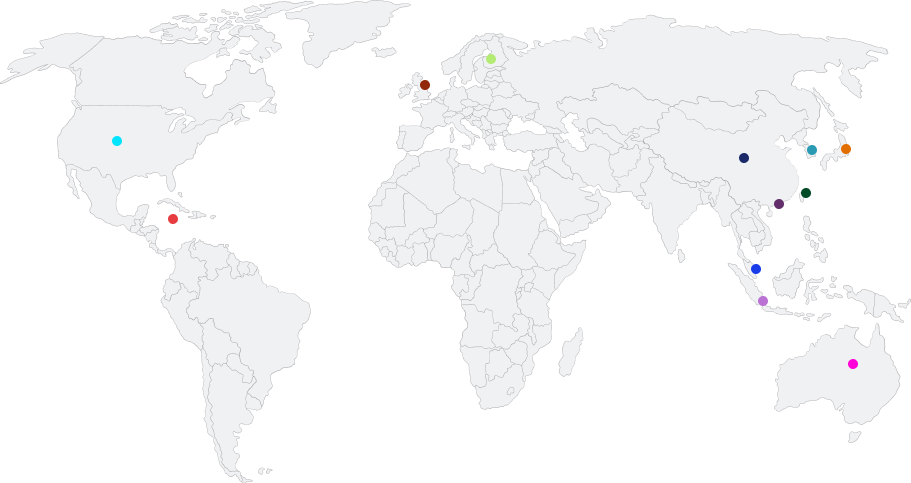
Papan pemuka ini dikemas kini kali terakhir pada 12 Januari 2026