- Our Investments
- Who we are
- Sustainability
- Corporate Governance
- Media
- PNB Group
- Contact Us

Catalyse Economic Advancement
Building a Prosperous Nation
Progressing with Our Sustainability Commitments
Continued Strength In Governance
News & Reports
In the pursuit of the nation's prosperity
Connections and Partnerships
Commitment :
Net Zero 2050
Delivering on our social sustainability goals
Transparency, governance and active ownership
Cultivate sustainability in talent and culture
Commitment 1:
Net Zero 2050
Under Advancing Organisational Sustainability, we are committed to achieving Net Zero emissions across our operational boundary by 2050, covering emissions from our offices, buildings and day-to-day operations. This reflects our responsibility to manage and reduce the environmental impact of our own activities, while supporting our broader sustainability ambitions.
Our approach is guided by the principles of Reduce and Offset (R20). We prioritise reducing emissions through energy efficiency improvements, operational optimisation and the increased use of renewable energy. Residual emissions that are currently hard to abate will be addressed through the use of credible carbon credits, once final emissions data has been verified through our assurance process.
Our R2O Strategy
Reduce
Prioritise emissions reduction initiatives
- Mapping of emissions and baselining
- Define high impact carbon reduction initiatives
- Incorporate ESG values in daily operations
- Engage and educate radically via strategic ESG communications
Replace
Efficiency improvement leading to reduced GHG emissions
- High impact equipment replacement initiatives
- Targeted emissions reduction activities
- Assessment on availability of technology in the market
- Change management and engagement
Offset
Purchase carbon offsets of remaining hard-to-abate GHG emissions
- Alignment with credible standards in offsetting
- Prioritise nation building initiatives
- Verifiable and credible projects
Our Targets:
In 2025, our NZE 2025 (Scope 1 and 2) achievement reflects our proactive efforts to embed climate-focused strategies within our operations, anchored by our R2O approach. Beyond 2025, we aim to maintain our NZE status for Scope 1 and 2 emissions in support of our longer-term Net Zero 2050 ambition across all scopes.
- i. 20% emissions reduction in business travel and employee commuting by 2030.
-
ii.
50% emissions reduction by 2040 through:
- Sustainable Procurement by 2040
- Greening Business Travel and Employee Commuting by 2040
- Zero Waste by 2040
We recognise that addressing Scope 3 emissions is essential to our Net Zero journey, particularly across business travel, employee commuting, sustainable procurement and zero waste. We are progressively strengthening our efforts across these areas to reduce indirect emissions within our value chain, in support of our Net Zero 2050 ambition.
We recognise the value of carbon offsetting in helping us address hard-to-abate emissions within our operations. We are exploring opportunities to invest in credible carbon projects as part of our broader decarbonisation strategy. These efforts complement our emissions reduction initiatives as we progress towards our Net Zero ambition.
Commitment 2:
Delivering on our social sustainability goals
At PNB, we recognise that creating long-term value goes hand in hand with supporting and empowering people. We are committed to fostering an inclusive environment within our organisation while ensuring that our services remain accessible and responsive to the diverse needs of our customers.
Our Targets:
Minimum 40% Women In
Leadership Roles
PNB is committed to maintaining a minimum of 40% women in leadership roles. Having surpassed this target in 2025, we continue to strengthen our talent pipeline and leadership development efforts to sustain this momentum and support a more inclusive organisation.
Inclusive and Accessible Organization for Persons with Disabilities (PWD)
PNB is committed to fostering an inclusive and accessible environment for persons with disabilities, both within our organisation and across our services. We continue to enhance our practices to ensure accessibility, supporting greater participation, dignity and independence for all individuals.
Commitment 3:
Transparency, governance and active ownership
PNB continues to strengthen its approach to transparency and governance in line with evolving global standards and local regulatory expectations, including frameworks such as the NSRF and IFRS Sustainability Disclosure Standards. We are progressively enhancing our disclosures, governance frameworks and oversight practices to support greater clarity, consistency and accountability.
For more information on our sustainability governance, please refer to PNB’s Integrated Annual Report 2025
Commitment 4:
Cultivate sustainability in talent and culture
While policies and technologies play an important role, it is culture that ultimately shapes how people think, behave and make decisions. Culture influences our daily habits, our relationship with the environment and our sense of responsibility towards future generations.
By embedding sustainability into the cultural fabric of our workplace and communities, we move beyond short-term initiatives and drive a lasting shift in mindset, supporting more responsible and sustainable behaviours over time.
Commitment :
Net Zero 2050
Delivering on our social sustainability goals
Transparency, governance and active ownership
Cultivate sustainability in talent and culture
Commitment 1:
Net Zero 2050
Under Advancing Organisational Sustainability, we are committed to achieving Net Zero emissions across our operational boundary by 2050, covering emissions from our offices, buildings and day-to-day operations. This reflects our responsibility to manage and reduce the environmental impact of our own activities, while supporting our broader sustainability ambitions.
Our approach is guided by the principles of Reduce and Offset (R20). We prioritise reducing emissions through energy efficiency improvements, operational optimisation and the increased use of renewable energy. Residual emissions that are currently hard to abate will be addressed through the use of credible carbon credits, once final emissions data has been verified through our assurance process.
Our R2O Strategy
Reduce
Prioritise emissions reduction initiatives
- Mapping of emissions and baselining
- Define high impact carbon reduction initiatives
- Incorporate ESG values in daily operations
- Engage and educate radically via strategic ESG communications
Replace
Efficiency improvement leading to reduced GHG emissions
- High impact equipment replacement initiatives
- Targeted emissions reduction activities
- Assessment on availability of technology in the market
- Change management and engagement
Offset
Purchase carbon offsets of remaining hard-to-abate GHG emissions
- Alignment with credible standards in offsetting
- Prioritise nation building initiatives
- Verifiable and credible projects
Our Targets:
In 2025, our NZE 2025 (Scope 1 and 2) achievement reflects our proactive efforts to embed climate-focused strategies within our operations, anchored by our R2O approach. Beyond 2025, we aim to maintain our NZE status for Scope 1 and 2 emissions in support of our longer-term Net Zero 2050 ambition across all scopes.
- i. 20% emissions reduction in business travel and employee commuting by 2030.
-
ii.
50% emissions reduction by 2040 through:
- Sustainable Procurement by 2040
- Greening Business Travel and Employee Commuting by 2040
- Zero Waste by 2040
We recognise that addressing Scope 3 emissions is essential to our Net Zero journey, particularly across business travel, employee commuting, sustainable procurement and zero waste. We are progressively strengthening our efforts across these areas to reduce indirect emissions within our value chain, in support of our Net Zero 2050 ambition.
We recognise the value of carbon offsetting in helping us address hard-to-abate emissions within our operations. We are exploring opportunities to invest in credible carbon projects as part of our broader decarbonisation strategy. These efforts complement our emissions reduction initiatives as we progress towards our Net Zero ambition.
Commitment 2:
Delivering on our social sustainability goals
At PNB, we recognise that creating long-term value goes hand in hand with supporting and empowering people. We are committed to fostering an inclusive environment within our organisation while ensuring that our services remain accessible and responsive to the diverse needs of our customers.
Our Targets:
Minimum 40% Women In
Leadership Roles
PNB is committed to maintaining a minimum of 40% women in leadership roles. Having surpassed this target in 2025, we continue to strengthen our talent pipeline and leadership development efforts to sustain this momentum and support a more inclusive organisation.
Inclusive and Accessible Organization for Persons with Disabilities (PWD)
PNB is committed to fostering an inclusive and accessible environment for persons with disabilities, both within our organisation and across our services. We continue to enhance our practices to ensure accessibility, supporting greater participation, dignity and independence for all individuals.
Commitment 3:
Transparency, governance and active ownership
PNB continues to strengthen its approach to transparency and governance in line with evolving global standards and local regulatory expectations, including frameworks such as the NSRF and IFRS Sustainability Disclosure Standards. We are progressively enhancing our disclosures, governance frameworks and oversight practices to support greater clarity, consistency and accountability.
For more information on our sustainability governance, please refer to PNB’s Integrated Annual Report 2025
Commitment 4:
Cultivate sustainability in talent and culture
While policies and technologies play an important role, it is culture that ultimately shapes how people think, behave and make decisions. Culture influences our daily habits, our relationship with the environment and our sense of responsibility towards future generations.
By embedding sustainability into the cultural fabric of our workplace and communities, we move beyond short-term initiatives and drive a lasting shift in mindset, supporting more responsible and sustainable behaviours over time.
Creating a Sustainable and Inclusive Future
PNB recognises that the future is shaped by the actions taken today and is deeply committed to creating a sustainable and inclusive future that benefits not only its stakeholders but also the communities it serves.
In April 2022, we launched our Sustainability Framework with 10 ESG commitments. We had embarked on an organisation-wide exercise to measure and baseline our greenhouse gas (GHG) emissions, develop a comprehensive Net Zero pathway for our enterprise operations and investment portfolio as we integrate ESG into decision making.
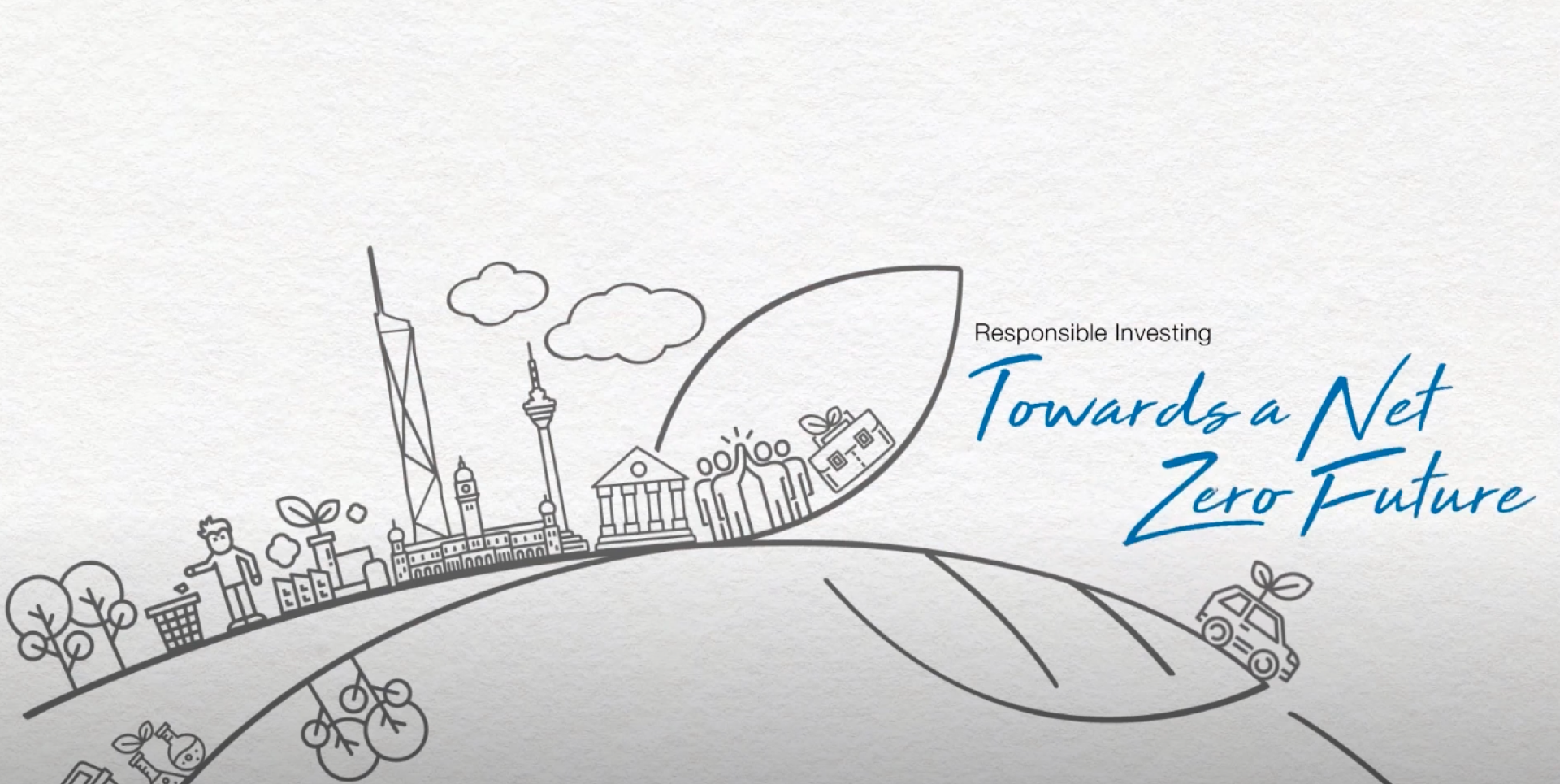
Towards a Net Zero Future
Guiding Beliefs

ESG driving long-term values

Responsible leadership

Collective action and partnership

Walk the Talk

Progress over perfection
ESG driving long-term values
Responsible leadership
Collective action and partnership
Walk the Talk
Progress over perfection
PNB Sustainability Framework 2.0
Memberships and Association
Sustainability Disclosure

Investing Responsibly,
Empowering Generations
Anchors
Advancing Organisational Sustainability
›
Responsible Stewardship
›
Strengthen Nation Building Agenda
›
Advancing Organisational Sustainability (OS)
1
Net Zero Emissions 2050
Net Zero Enterprise
OS 1.
Maintain Net Zero Enterprise Scope 1 & 2 starting 2025.
OS 2.
Net Zero Scope 3 (Cat. 1-14) by 2050
i. 20% emissions reduction in business travel and employee commuting by 2030.
ii. 50% emissions reduction by 2040 through:
- Sustainable Procurement by 2040
- Greening Business Travel and Employee Commuting by 2040
- Zero Waste by 2040
OS 3.
Investment in Carbon Projects.
2
Delivering on our social sustainability goals
OS 4.
Minimum 40% Women in Leadership Roles.
OS 5.
Inclusive and Accessible Organization for Persons with Disabilities (PWD)
3
Transparency, governance and active ownership
Enhancing value through clarity, principled action, and purposeful involvement
4
Cultivate sustainability in talent and culture
Increasing internal ESG adoption
Responsible Stewardship (RS)
1
Net Zero Emissions 2050
Net Zero Portfolio
RS 1.
Ensure 70% of portfolio emissions are covered by credible net zero targets by 2030.
RS 2.
RM15 billion into green & transition assets by 2030.
RS 3.
Reduce portfolio emissions intensity by 35% by 2030 against FY2022 baseline.
RS 4.
Phase out direct investments in coal in developed markets by 2030 and developing markets by 2040.
RS 5.
100% of priority direct infrastructure assets to have climate adaptation strategies by 2030.
RS 6.
100% of priority companies highly exposed to nature to comply with PNB’s Nature and Biodiversity Policy by 2030
2
Delivering on our social sustainability goals
RS 7.
100% of priority companies aligned with PNB’s People Policy and Living Wage by 2030
3
Transparency, governance and active ownership
Enhancing value through clarity, principled action, and purposeful involvement
Strengthen Nation Building Agenda (NB)
5
Purpose-driven social investments
NB 1.
Contribute RM500 million to impactful social investment activities from 2026 to 2030 guided by the Social Investments Framework (SIF).
NB 2.
Achieve 60,000 volunteering hours towards creating meaningful impact for communities by 2030.
6
Inclusive financial empowerment for all Malaysians
NB 3.
Explore SRI alignment for existing and future funds.
NB 4.
Elevating financial literacy for all Malaysians.
Investing Responsibly,
Empowering Generations
Anchors
Advancing Organisational Sustainability
1
Net Zero Emissions 2050
Net Zero Enterprise
OS 1.
Maintain Net Zero Enterprise Scope 1 & 2 starting 2025.
OS 2.
Net Zero Scope 3 (Cat. 1-14) by 2050
i. 20% emissions reduction in business travel and employee commuting by 2030.
ii. 50% emissions reduction by 2040 through:
- Sustainable Procurement by 2040
- Greening Business Travel and Employee Commuting by 2040
- Zero Waste by 2040
OS 3.
Investment in Carbon Projects.
2
Delivering on our social sustainability goals
OS 4.
Minimum 40% Women in Leadership Roles.
OS 5.
Inclusive and Accessible Organization for Persons with Disabilities (PWD)
3
Transparency, governance and active ownership
Enhancing value through clarity, principled action, and purposeful involvement
4
Cultivate sustainability in talent and culture
Increasing internal ESG adoption
Responsible Stewardship
1
Net Zero Emissions 2050
Net Zero Portfolio
RS 1.
Ensure 70% of portfolio emissions are covered by credible net zero targets by 2030.
RS 2.
RM15 billion into green & transition assets by 2030.
RS 3.
Reduce portfolio emissions intensity by 35% by 2030 against FY2022 baseline.
RS 4.
Phase out direct investments in coal in developed markets by 2030 and developing markets by 2040.
RS 5.
100% of priority direct infrastructure assets to have climate adaptation strategies by 2030.
RS 6.
100% of priority companies highly exposed to nature to comply with PNB’s Nature and Biodiversity Policy by 2030
2
Delivering on our social sustainability goals
RS 7.
100% of priority companies aligned with PNB’s People Policy and Living Wage by 2030
3
Transparency, governance and active ownership
Enhancing value through clarity, principled action, and purposeful involvement
Strengthen Nation
Building Agenda
Building Agenda
5
Purpose-driven social investments
NB 1.
Contribute RM500 million to impactful social investment activities from 2026 to 2030 guided by the Social Investments Framework (SIF).
NB 2.
Achieve 60,000 volunteering hours towards creating meaningful impact for communities by 2030.
6
Inclusive financial empowerment for all Malaysians
NB 3.
Explore SRI alignment for existing and future funds.
NB 4.
Elevating financial literacy for all Malaysians.
Our Sustainability Policies and Guideline
PNB’s Sustainability Policy, endorsed by the Board of Directors, establishes a comprehensive framework for integrating ESG considerations across the organisation’s operations and investment activities. Guided by its 10 ESG Commitments, the policy outlines governance structures, stewardship principles, and key targets, including achieving NZE by 2025 and NZP by 2050. It reflects PNB’s commitment to responsible leadership and collaborative action, and aligns with global frameworks such as the UN PRI and TCFD. The policy is reviewed periodically to support effective implementation and ongoing improvement.
Introduced in 2023, PNB’s Living Wage Framework aims to ensure employees receive compensation that adequately supports basic living standards. Benchmarking against national living wage standards helps ensure fairness and transparency, while reinforcing PNB’s commitment to promoting social equity and encouraging broader adoption of living wage practices.
The Social Investments Framework (“SIF”) provides a structured approach to delivering sustainable social impact. Anchored on four key pillars – Education, Health, Community Development and Environment – the framework focuses on addressing community needs while supporting Malaysia’s socio-economic development.
PNB’s Voting Guidelines set out the principles that guide the exercise of voting rights in Malaysian investee companies, reflecting PNB’s role as a responsible institutional investor and fiduciary to its unitholders. The guidelines are designed to promote strong corporate governance, effective and accountable boards, protection of shareholder rights and long‑term sustainable value creation for unitholders.
PNB’s Nature and Biodiversity Policy reflects the organisation’s commitment to protecting natural ecosystems and integrating sustainable environmental practices across its operations and investments. The policy focuses on addressing nature-related risks, including deforestation and pollution, while promoting biodiversity conservation to strengthen long-term environmental resilience.
PNB’s Labour Rights Policy sets out the organisation’s expectations for fair labour practices, including equitable wages, safe working environments, and inclusive workplaces. Aligned with international standards, the policy provides guidance to investee companies on adopting responsible labour practices that contribute to sustainable value creation and reinforce PNB’s commitment to social responsibility.
PNB introduced the Employee Volunteerism Framework in 2025 to support the implementation of its SIF by encouraging employees to contribute their time and skills to community initiatives aligned with its four pillars. The framework establishes clear participation guidelines, provides pathways for employee-led initiatives, and includes mechanisms to track volunteer hours and participation. Through this initiative, PNB aims to cultivate a stronger culture of volunteerism while working towards an initial target of 10,000 volunteer hours in 2025, enhancing employee engagement and amplifying the organisation’s overall social impact.
PNB is a signatory and active participant in leading global sustainability initiatives, reinforcing our commitment to responsible investment, climate action and long-term value creation. Through these partnerships, we align our practices with internationally recognised principles and contribute to the advancement of sustainable finance.

The UN Global Compact is a global initiative that encourages companies to align their operations and strategies with ten universal principles covering human rights, labour, environment and anti-corruption. As a participant, we are committed to embedding these principles into our business practices and supporting broader sustainable development goals.

The PRI is a global network of investors working to integrate environmental, social and governance (ESG) factors into investment decision-making. As a signatory, we incorporate ESG considerations into our investment processes and ownership practices, in line with internationally recognised responsible investment principles.

PCAF is a global initiative that enables financial institutions to measure and disclose the greenhouse gas emissions associated with their financing and investment activities. Through PCAF, we strengthen our approach to financed emissions measurement, supporting transparency and alignment with climate-related goals.

AIGCC is a not-for-profit investor network that brings together asset owners and asset managers to address the risks and opportunities associated with climate change. It provides a collaborative platform for investors to share best practices, strengthen capabilities and advocate for policies that support the transition to a low-carbon and climate-resilient economy across Asia.

ICGN is a global investor-led organisation that promotes high standards of corporate governance and investor stewardship worldwide. Through policy advocacy, research and collaboration, it aims to enhance accountability, transparency and long-term value creation, contributing to more efficient and sustainable capital markets.

IICM is a Malaysian industry body representing the collective interests of institutional investors to strengthen corporate governance and stewardship practices. It provides a platform for collaboration, knowledge sharing and policy engagement to support the development of a robust and resilient capital market in Malaysia.
Our Approach to Sustainability Disclosure
At PNB, we adopt a structured and progressive approach to sustainability disclosure, guided by leading global frameworks and local regulatory developments. Our disclosures are designed to provide clear, consistent and decision-useful insights into our environmental, social and governance (ESG) performance.
We continuously enhance our reporting practices by strengthening data quality, governance processes and independent assurance, ensuring our disclosures remain credible, transparent and aligned with stakeholder expectations.
Our sustainability disclosures are guided by:

The IR framework sets out principles for communicating how our strategy, governance, performance and outlook contribute to value creation over time. It promotes integrated thinking by linking financial and non-financial information across multiple capitals, enabling a more holistic view of our long-term value.

GRI provides globally recognised standards for reporting our economic, environmental and social impacts. It enables us to disclose our most material sustainability topics transparently and consistently, supporting stakeholder understanding of how our activities affect the wider economy, environment and society.

The IFRS Sustainability Disclosure Standards establish a global baseline for reporting sustainability-related and climate-related information. They focus on disclosing material risks and opportunities that may affect our financial performance and long-term value, providing investors with consistent, comparable and decision-useful information.
Following the launch of Malaysia’s National Sustainability Reporting Framework (NSRF) in 2024, sustainability reporting in Malaysia is aligned with the IFRS Sustainability Disclosure Standards issued by the International Sustainability Standards Board (ISSB).
Our Sustainability Disclosure
Integrated Annual Report
Stewardship Report
Sustainability Data, Methodology and Assurance Statement
- Maintain a database of potential Board candidates based on a diverse skillset, background and gender.
- Review the Board composition and effectiveness of the Strategic, Controlled or other Investee companies.
- Recommend the appointment of PNB Nominee Directors in selected investee companies.
- Assessment of the talent bench of PNB Strategic companies namely mission critical positions.
- Review and benchmarking of Board and CEO remuneration of PNB investee companies.
Advocacy of good corporate governance, transparency and responsible investment, in line with industry best practices and Voting Guidelines of PNB.
Analysis, recommendation and publication of proxy voting in relation to general meetings of the investee companies, guided by the Voting Guidelines of PNB.
Driving shareholder activism by engaging other institutional investors and selected investee companies through the Institutional Investors Council. Collaboration with other key stakeholders to drive better regulation, shareholder value and partnerships in the area of corporate governance.
- Drive Net Zero Portfolio target setting, strategies and financed emissions measurement.
- Implement climate-related commitments and coordinating with investment teams to build fundamental climate capabilities.
- Identify and recommend climate related tools for investment making processes and data collection for new investments.
- Coordinate and support investment teams to enhance deployment into Green and Transition assets.
- Identify strategies to manage labour-related and nature-related exposures for PNB and Investee Companies.
- Engage with Investee Companies and stakeholders to ensure alignment with PNB’s policies related to labour and biodiversity.
- Coordinate and support investment teams to manage labour and biodiversity related risk and opportunities.
- Manage PNB’s participation in ESG-linked industry affiliations to maximise our contribution and value.
- Research, explore and coordinate engagement activities on ESG-related areas with investee companies, ESG-related affiliations and experts and other relevant agencies.
- Develop strategies to support integration of ESG-factors in investment decision-making with asset class teams.
- Monitor progress of engagements against its objectives.
We practice our stewardship responsibilities and extend them to our investee companies to ensure the entire group implements proper governance to deliver the best long-term value to our shareholders.
Stewardship Framework
Our stewardship framework outlines the philosophy and expectations for investee companies, public investors, and the general market. It also complements the existing Strategic Investment Framework to guide us in creating important values and improving the performance of PNB's investee companies.
Best Practice Governance
1. Transparency and effective engagement
- Transparency in Voting
- Escalation Matrix
2. Clear and transparent Voting Guidelines
3. Appropriate board representation and appoint rights
- Effective BOD
- Right pool of Board candidates
4. Board effectiveness assesment
- Effective Board engagements and assesments
- Board development programmes
Stewardship Policies and Engagement Approach
Pre-AGM Shareholder Letter
- An annual public letter issued to the Strategic Company’s Board of Directors ahead of the AGM.
- The investee companies are requested to publish and explain its Total Shareholder Return (TSR) performance and its key drivers, as well as how management plans to address any underperformance.
- Seek answers on other material issues at the AGM
Annual Engagement
- Private engagement sessions with the Board and/or Management of strategic investee companies
- Serves as a platform to discuss our expectations on company performance, strategy direction, governance practices, and other related matters.
Shareholder Letter
- A formal private written communication reflecting a heightened level of concern compared to the Pre-AGM Shareholder Letter.
- Formally articulate specific concerns, expectations, and required actions, and to seek clearer accountability from the Board and Management.
Activist Letter
- An escalated engagement measure, deployed where earlier engagements efforts have not resulted in satisfactory outcomes.
- Presents a comprehensive and detailed analysis of PNB’s concerns.
- Specifies clear corrective actions, expectations, and timelines.
- May be issued privately or publicly
Exercise Voting Decision
-
Active participation in AGMs and EGMs, including voting on:
- Board of Director’s re-elections
- Key resolutions relating to governance, remuneration, Capital management, and shareholder rights.
- Voting decisions are used as a form mechanism to signal support or dissatisfaction with the Company action.
Divestment to Reduce or Exit
Policies and Guidelines
PNB places good governance and stewardship responsibilities as fundamental aspects of our operations. We extend these standards to our investee companies through consistent engagements to deliver long-term shareholder values.
We implement the following guidelines to monitor our investee companies and provide a guiding principle in exercising their governance and voting.

Proxy Voting
A Proxy of Change
Our core belief is that every voice matters. Conducting General Meetings reflects our democratic values. To emphasise our beliefs, we disclose our summaries, share live vote analysis, and include the voting rationale for each vote.
To view our historical voting decisions from January 2019 to December 2022, please click
Proposal Category Report
| Proposal Category Type | For | Against | Abstain |
|---|---|---|---|
| TOTALS | 1683 | 164 | 24 |
| Audit/Financials | 266 | 1 | 0 |
| Board Related | 878 | 45 | 19 |
| Capital Management | 137 | 77 | 4 |
| Changes to Company Statuses | 72 | 5 | 1 |
| Compensation | 289 | 18 | 0 |
| M&A | 22 | 0 | 0 |
| Meeting Administration | 3 | 1 | 0 |
| Other | 8 | 2 | 0 |
| SHP: Compensation | 1 | 1 | 0 |
| SHP: Environment | 0 | 4 | 0 |
| SHP: Governance | 5 | 1 | 0 |
| SHP: Misc | 1 | 0 | 0 |
| SHP: Social | 1 | 9 | 0 |
| Country of Origin | Annual Shareholders' Meeting | Special Meeting |
|---|---|---|
| China | 5 | 11 |
| Hong Kong | 12 | 3 |
| Indonesia | 1 | 2 |
| Japan | 19 | 0 |
| Republic of Korea | 17 | 2 |
| Malaysia | 876 | 170 |
| Taiwan | 3 | 0 |
| United Kingdom | 3 | 0 |
| United States | 26 | 0 |
| Cayman Islands | 2 | 0 |
| Australia | 1 | 0 |
| Germany | 2 | 0 |
| total | 944 | 188 |
Meeting Type
Annual Shareholders' or Special Meeting by Market
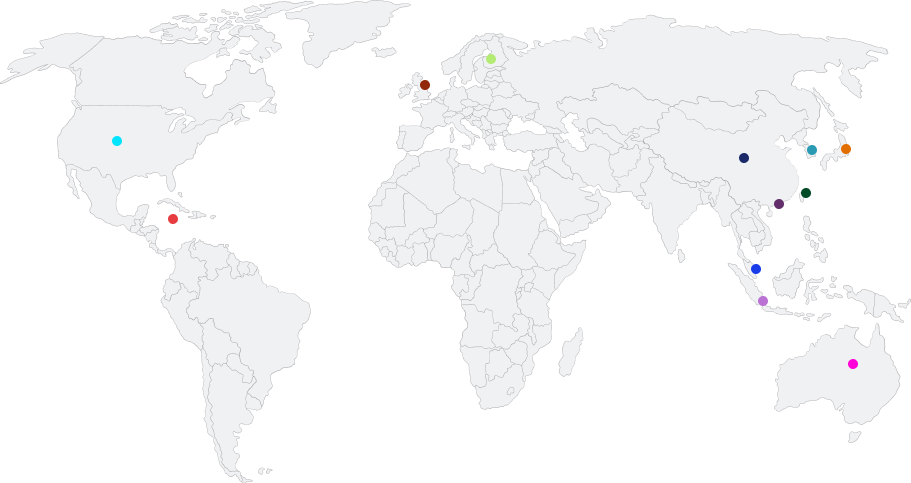
This dashboard is last updated on 12 January 2026
Social Investments Framework
As a national institution, our strategies address both national development with high relevance to PNB while also addressing the needs of communities within our operations.
Education
Building talent for the nation and developing PNB talent to deliver on our mandate
Health
Supporting health facilities, education and preventive health care for a healthier Malaysia
Community Development
Creating opportunities for social mobility and economic independence
Environment
Conservation and protection of fragile ecosystems
Supported by
Financial Literacy
Embedding Financial Literacy modules in SIF programmes conducted within the community
Internal Volunteerism
Instilling the spirit of volunteerism within Warga PNB in supporting the SIF programmes